


To choose ski goggles, match the lens shape and tint to your typical light conditions, then confirm the frame fits your face and your helmet without gaps or pressure points. Fit and ventilation matter as much as lens color, because fogging and a poor seal ruin visibility faster than the wrong tint.
We based this guide on manufacturer specifications, published gear standards, and common trail practice. The sections below walk through lens types, tints, fit, ventilation, and the mistakes that send skiers back to the shop, with pointers to our roundups when you are ready to compare specific gear.
Start with Lens Shape and Field of View
Ski goggles come in three basic shapes: cylindrical, toroidal, and spherical. The shape affects how much you can see in your peripheral vision and how the lens curves away from your face.
Cylindrical lenses curve in one direction, like a slice of a tube. They tend to sit closer to the face and offer a flatter profile, which some skiers prefer for a retro look and a lower profile inside a helmet.
Toroidal and spherical lenses curve in two directions, which generally widens peripheral vision and reduces distortion at the edges. Spherical lenses bulge outward like a dome, while toroidal lenses curve more subtly. Both can cost more because the manufacturing is more complex.
Who Each Shape Suits
- Cylindrical: skiers who want a simpler lens, a lower profile, and easy lens swapping on a tight budget of weight and complexity.
- Toroidal: skiers who want a wide field of view without the pronounced dome of a spherical lens.
- Spherical: skiers who prioritize maximum peripheral vision and are willing to accept a larger, more prominent goggle.
If you wear prescription glasses under your goggles, look for a shape with enough internal volume to avoid pressing the frames into your face. Many skiers use OTG (over the glasses) models that are built with extra depth and cutouts in the foam.
Match Lens Tint and VLT to the Light
Lens tint controls how much visible light reaches your eyes, measured as visible light transmission (VLT). A low VLT lens blocks more light and suits bright, sunny days, while a high VLT lens lets more light through for flat light, snow, and shadows.
| Light Condition | VLT Range | What It Does |
|---|---|---|
| Bright sun and glare | Low (roughly 5 to 20 percent) | Cuts harsh light and reduces eye strain |
| Mixed sun and clouds | Medium (roughly 20 to 50 percent) | A versatile middle ground for changing weather |
| Overcast, snow, flat light | High (roughly 50 to 90 percent) | Boosts contrast so terrain features stay visible |
Color matters too, though the effect is more about contrast than protection. Rose and copper tints tend to enhance contrast in flat light, while gray and dark green tints preserve natural color and handle bright sun well. Yellow and amber tints are common for low light because they brighten shadows.
Many goggles now ship with a spare lens or use a quick-change system, which lets you swap tint as conditions shift. If you ski in mixed weather, a two-lens setup often beats one compromise lens.
All ski goggle lenses should block 100 percent of UVA and UVB rays. Check the label for UV400 or a similar claim, and remember that snow reflects a large share of UV light back at your face, so eye protection matters even on cloudy days.
Get the Fit Right for Your Face and Helmet
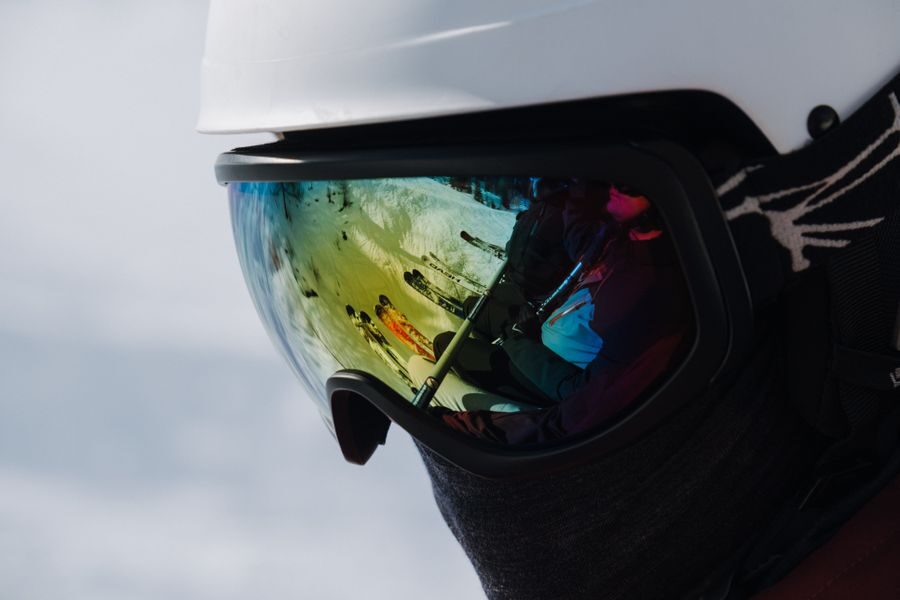
A goggle that fits well seals against your face without pinching, and it lines up with your helmet so there is no gap at the forehead. Gaps let cold air and snow in, and they also expose skin to windburn and sunburn.
Most goggles use triple-layer foam with a soft fleece layer against the skin. More foam layers generally mean a better seal and more comfort, but also a bulkier frame. If you have a smaller face, look for a low-profile or youth-sized frame rather than forcing an adult fit.
Helmet Compatibility
- Bring your helmet when you shop, or measure its front brim and opening before ordering online.
- Look for goggles with a helmet-compatible strap that sits wide and flat against the shell.
- Check that the goggle top meets the helmet brim with no skin gap when you tilt your head down.
- Some helmets and goggles are designed as a system, which reduces the guesswork.
If you are still choosing head protection, our roundup of ski and snowboard helmets covers the shapes and features that pair well with goggles. Riders who want audio on the hill can also compare ski helmets with Bluetooth.
Strap length matters for larger helmets and for wearing goggles over a hood. Adjustable straps with silicone grippers keep the goggle from sliding up the shell.
Ventilation and Anti-Fog Performance
Fogging happens when warm, moist air from your face meets a cold lens. Goggles fight this with ventilation (foam and frame ports that let air move) and with anti-fog coatings on the inner lens.
More ventilation generally means less fog, but it can also mean more cold air on your face. Look for a goggle with foam-covered vents that block snow while letting moisture escape. Dual-pane lenses with a sealed air gap between two layers are the standard defense against fogging.
If fogging persists, an aftermarket treatment can help. Our guide to anti fog sprays for ski goggles explains how these products work and when they are worth using.
Never wipe the inside of a lens with a glove or a rough cloth. That scratches the anti-fog coating and can make fogging worse. Instead, let the goggle air out, and store it in a soft bag.
Lens Interchangeability and Spare Lenses
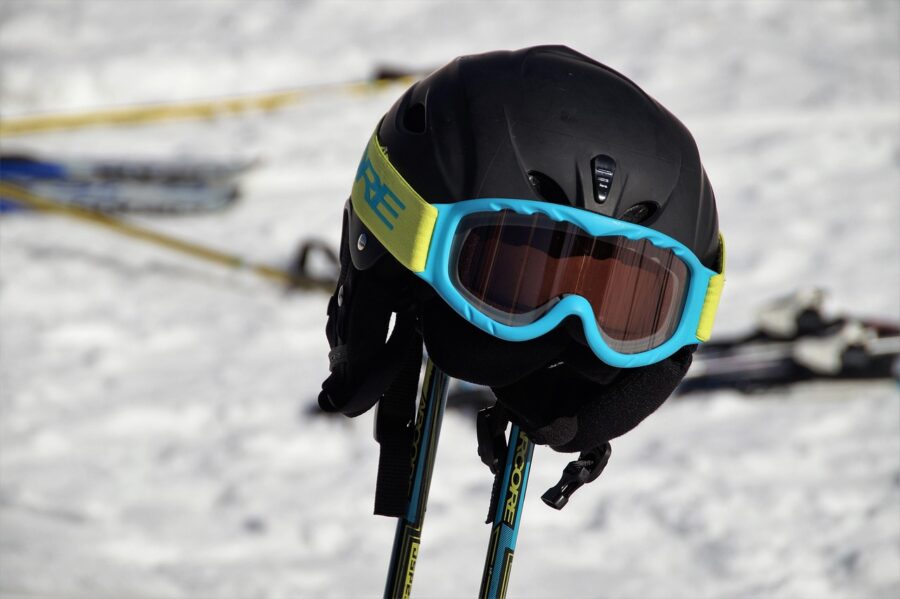
Quick-change lens systems let you swap tint in seconds, often without removing your helmet. They are useful for skiers who ride from morning shade into afternoon sun, or who travel between resorts with different weather.
Magnetic systems are fast and easy, but they rely on strong magnets and a secure frame lock. Mechanical systems use clips or a lever and tend to feel more locked in. Either way, practice the swap at home before you are standing in the cold.
If you rarely ski in changing light, a single versatile lens with a medium VLT may be enough. Skiers who chase powder in flat light, however, often prefer a high-VLT lens as their primary and a dark lens for bluebird days.
Prescription Wearers and Over-the-Glasses Options
Skiers who wear glasses have three main paths: OTG goggles, prescription inserts, or prescription lenses built into the goggle. Each has trade-offs in cost, convenience, and optical clarity.
- OTG goggles: roomy frames that fit over most glasses, but they can feel bulky and may fog more.
- Prescription inserts: a small lens carrier that clips inside the goggle, keeping your glasses at home.
- Prescription goggle lenses: the cleanest optical solution, but usually the most expensive and least flexible.
Whichever route you take, keep your glasses and goggles apart when you are not wearing them. Storing glasses inside a goggle can press the frames against the lens and leave scratches.
Common Buying Mistakes to Avoid
Most goggle regrets come down to fit and light conditions, not brand or price. Here are the mistakes we see most often.
- Buying for looks first: a goggle that does not seal against your face will fog and leak no matter how good the lens is.
- Ignoring the helmet gap: a gap at the forehead means windburn, snow, and sun exposure.
- Choosing a dark lens for all conditions: a low-VLT lens is miserable in flat light and shadows.
- Skipping ventilation: a goggle with poor airflow will fog on the lift ride up.
- Wiping the inner lens: this destroys the anti-fog coating and is a common cause of permanent fogging.
- Forgetting spare lenses: if you ski in mixed weather, one lens rarely covers every day.
A practical approach is to set a light-condition priority first, then find the frame shape and foam that fit your face, then confirm helmet compatibility. That order keeps you from falling in love with a lens that never matches your local snow.
Who Does Not Need New Goggles
Not every skier needs a new goggle. If your current pair seals well, does not fog, and matches the light you usually ski, you can spend your money elsewhere.
Skiers who only ride a few days a year in similar conditions may find a single medium-VLT lens perfectly adequate. Renters and beginners often do better to borrow or rent first, then buy once they know their local light and their helmet fit.
If your goggles are scratched, the foam is crumbling, or the strap has lost its stretch, replacement is the better move. Scratched lenses scatter light and reduce contrast, which is a safety issue in flat light.
Skiers who are upgrading other gear first may want to look at heated ski gloves for cold hands or men's ski bibs for weather protection before replacing a serviceable goggle.
Roundups by Need
Once you know your lens shape, tint, and fit, the next step is comparing specific models. These roundups group gear by the need that drives the purchase.
- Fogging problems: anti fog sprays for ski goggles
- Helmet pairing: ski and snowboard helmets
- Audio on the hill: ski helmets with Bluetooth
- Cold hands: heated ski gloves
- Backcountry travel: backcountry ski poles
- Women's backcountry setups: women's backcountry skis
- Vehicle transport: ski and snowboard racks
If you are building a full kit, start with the goggle and helmet pair, since those two items have to work together. Then fill in gloves, layers, and transport based on how and where you ride.
Frequently Asked Questions
What VLT should ski goggles have?
It depends on your usual light. Low VLT (roughly 5 to 20 percent) suits bright sun, medium VLT (roughly 20 to 50 percent) handles mixed conditions, and high VLT (roughly 50 to 90 percent) is best for overcast, snow, and flat light. Many skiers carry two lenses to cover both ends.
Do I need over-the-glasses goggles if I wear glasses?
Not always, but OTG frames make it much easier. They have extra internal depth and foam cutouts so your glasses do not press into your face. Prescription inserts and prescription goggle lenses are other options, each with different cost and convenience trade-offs.
How do I stop my ski goggles from fogging?
Choose a goggle with dual-pane lenses and good ventilation, avoid wiping the inner lens, and let the goggle air out between runs. If fogging continues, a dedicated anti-fog treatment can help, but it will not fix a goggle with poor airflow.
Should ski goggles fit over or under a helmet?
Goggles go over the helmet shell, with the strap running around the back. The top of the goggle should meet the helmet brim with no skin gap at the forehead. Bring your helmet when trying goggles, or check the helmet's opening measurements before ordering online.
Are spherical lenses better than cylindrical lenses?
Spherical and toroidal lenses generally offer a wider field of view and less edge distortion, while cylindrical lenses are simpler, lower profile, and often less expensive. The better choice depends on your face shape, helmet, and how much you value peripheral vision.
How often should I replace ski goggles?
Replace them when the lens is scratched, the foam is crumbling, or the strap has lost its stretch. Scratched lenses reduce contrast and can be a real safety concern in flat light. A well-cared-for goggle with intact foam and coating can last many seasons.
Final Thoughts
Choosing ski goggles comes down to three things: the light you actually ski in, the shape that fits your face and helmet, and the ventilation that keeps the lens clear. Get those right and the brand or price matters far less.
Start with a lens tint for your most common conditions, confirm the fit with your helmet on, and add a spare lens if your weather swings. If you are comparing specific models, our roundups by need above are the place to start.