

To choose a portable power station, match its watt-hour capacity to the energy your devices will actually use between charges, then confirm its continuous wattage covers the largest load you plan to run at once. Get those two numbers right and the rest of the decision comes down to weight, ports, charging speed, and safety features.
We based this guide on manufacturer specifications, published gear standards, and common trail practice. It walks through the main types of power stations, the specifications that matter, how to size one for camping or home backup, setup and safety considerations, and the mistakes that lead to returns.
The Main Types of Portable Power Stations and Who Each Suits
Portable power stations are usually grouped by capacity and output, and that grouping is the fastest way to narrow the field. A small unit in the 200W class suits phone charging and lights, while a large 2,000Wh class unit can carry a campsite or a few essentials at home during an outage. The right type depends on what you need to run and how far you have to carry it.
Small Units for Light Loads
Units in the 200W range are light enough to carry in a daypack and are aimed at phones, cameras, headlamps, and small fans. They are a good fit for weekend hikers and festival campers who want a safety net without adding much weight. If you plan to run a cooler or a camp stove, this class is too small.
Mid-size Units for Camping
The 1,000W to 1,500W range covers most car campers and small groups. These units can run a portable fridge, charge laptops and cameras, and power lights and a fan overnight. They are heavy enough that most people treat them as car camping gear rather than backpacking gear.
Large Units for Basecamps and Home Backup
Units in the 1,800W to 2,000Wh class are built for basecamps, van life, and short home outages. They can run a space heater or a microwave for a limited time and can keep a refrigerator and router going for hours. These units are heavy, often 40 pounds or more, and are best moved with two hands or a cart.
If you already know roughly where you fit, our roundups by wattage and capacity make comparison easier, including 200W portable power stations and portable power stations for camping.
Key Features That Matter When Comparing Models
Two units with the same capacity can behave very differently in the field. The specifications below are the ones that most often decide whether a power station feels useful or frustrating.
Capacity and Output
Watt-hours (Wh) measure stored energy, or how long a unit can run a load. Watts (W) measure output, or how much load it can run at once. A unit needs enough continuous wattage for your largest device and enough watt-hours for the total energy you expect to use.
Ports and Output Types
Look for the ports your gear actually uses: USB-A and USB-C for phones and laptops, 12V outputs for coolers and accessories, and AC outlets for appliances. Some units include a wireless charging pad or a 12V cigarette-style socket. More ports add convenience but also add cost and complexity.
Charging Options and Recharge Time
Most units charge from a wall outlet, a car outlet, or a solar panel. Recharge time varies widely, and solar charging depends on panel size and sunlight. If you plan to camp off-grid for several days, check how long a full recharge takes from the solar input the unit accepts.
Weight and Form Factor
Weight is the specification most likely to be underestimated. A unit that is fine in a car can be miserable to carry a quarter mile. Check the weight in pounds and whether the unit has a sturdy handle or wheels.
Safety and Protection Features
Look for built-in protection against overcharge, overdischarge, short circuits, and overheating. A battery management system is standard on most modern units, but the details vary. Follow the manufacturer charging and temperature limits, and never charge a damaged lithium battery.
How to Size a Power Station to Your Needs
Sizing comes down to two questions: what will you run at the same time, and how long will you run it? A simple energy estimate prevents the two most common outcomes, buying too small and running out of power, or buying too large and hauling more weight than necessary.
Estimate Your Load
List the devices you plan to run and note their wattage from the label or manual. Add up the wattage of everything you expect to run at once to get your peak load. Then estimate hours of use per day for each device.
Estimate Your Energy Use
Multiply each device's wattage by the hours you will run it to get watt-hours per day. Add those together for a daily total. Then compare that total to the station's capacity, keeping in mind that no battery delivers its full rated capacity in real use.
| Device | Typical wattage | Hours per day | Watt-hours per day |
|---|---|---|---|
| Phone charger | 10W | 2 | 20Wh |
| Laptop | 60W | 3 | 180Wh |
| LED lantern | 5W | 5 | 25Wh |
| Portable fridge | 45W average | 24 | about 1,080Wh |
This table uses general device wattages for illustration. Check your own devices, since the same category can vary a lot. For units in the 1,000Wh class, our 1000Wh portable power stations roundup is a natural next stop.
Match Output to Your Largest Load
A station must be able to run your largest single device continuously. Devices with motors or heating elements, such as mini fridges, space heaters, and microwaves, can draw more at startup than their rated wattage suggests. Choose a unit with continuous output comfortably above your largest load.
Setup, Charging, and Safety Considerations
A power station is simple to use, but a few habits keep it safe and reliable. Read the manual before the first charge and follow the manufacturer's instructions for charging, storage, and temperature limits.
Charging and Storage
Charge the unit fully before a trip and top it up when you return. Store it in a dry place within the temperature range the manufacturer specifies. Avoid leaving it in a hot car or a freezing garage for long periods.
Solar Charging
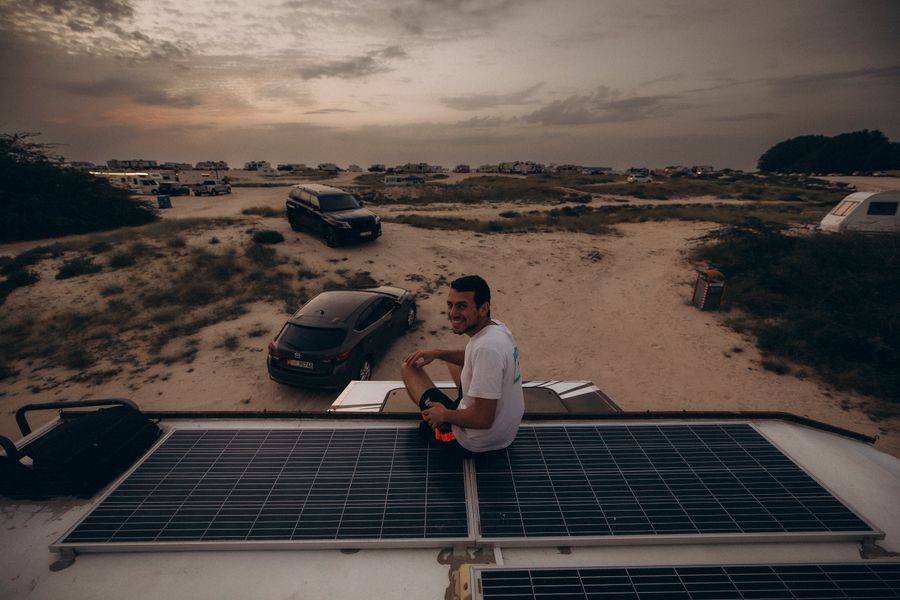
Solar panels are a good option for off-grid trips, but panel output depends on sun angle, clouds, and shade. Match the panel's voltage and connector to what the station accepts, and expect real-world charging to be slower than the panel's rated output suggests.
Home Backup Safety
A portable power station can run a few appliances through its AC outlets during an outage. Wiring a station into your home's electrical panel is a different task and needs a licensed electrician. Rules for generator and battery use vary by location, so check local requirements before relying on a station for home backup.
Never charge a damaged lithium battery, and stop using a unit that shows swelling, unusual heat, or a burning smell. Keep vents clear during use and charging.

Common Buying Mistakes to Avoid
Most returns and disappointing purchases trace back to a handful of avoidable errors. Watch for these before you buy.
- Buying on watt-hours alone without checking continuous output for a large load.
- Underestimating weight and buying a unit that is hard to move from the car to the campsite.
- Assuming a solar panel will recharge the station as fast as a wall outlet.
- Skipping the port check and finding the unit lacks the connections your devices need.
- Ignoring the manufacturer's temperature limits for charging and storage.
- Buying far more capacity than needed and paying for weight and size you never use.
A useful habit is to write down your three largest loads and your daily watt-hour estimate before comparing models. That short list filters out most units that look good on paper but do not fit your use.
Who Does Not Need a Portable Power Station
A power station is not the right purchase for everyone. If your trips are short and you charge your phone from a battery bank, a small power bank is lighter and simpler. If you only need to top up a phone and a headlamp, a power station adds weight and cost without much benefit.
People who camp mostly at sites with electrical hookups can often skip a station entirely. Likewise, if your main goal is running large appliances at home for days, a stationary home battery or a generator may fit better than a portable unit. A power station makes the most sense when you need flexible, quiet power in places without an outlet.
Find the Right Power Station by Need
Once you know your target capacity and output, our roundups by class let you compare models within a narrower range. Start with the class that matches your largest load and your daily energy estimate.
- Light loads and day trips: 200W portable power stations.
- Car camping and small groups: portable power stations for camping.
- Mid-size output for coolers and laptops: 1000W portable power stations and 1200W portable power stations.
- More output for heaters and appliances: 1500W portable power stations and 1800W portable power stations.
- Large capacity for basecamps and outages: 2000Wh portable power stations.
Use these lists as a starting point, then confirm the specifications against your own load estimate. A slightly smaller unit that you will actually carry often beats a larger one that stays in the garage.
Frequently Asked Questions
How many watt-hours do I need for a weekend camping trip?
It depends on your devices. Add up the watt-hours per day for everything you plan to run and multiply by the number of days. A phone, a lantern, and a camera add up to modest energy use, while a portable fridge raises the total substantially. Estimate your own load rather than relying on a general number.
Can a portable power station run a space heater?
Some large units can run a space heater for a limited time, but heating draws a lot of power and will drain most portable stations quickly. Check the heater's wattage against the station's continuous output and your capacity estimate before counting on it.
How long does it take to recharge a portable power station?
Recharge time varies by model and by the power source. Wall charging is usually fastest, car charging is slower, and solar charging depends on panel size and sunlight. Check the manufacturer's stated recharge times for each method.
Can I charge a power station with a solar panel?
Many units accept solar charging, but you need a panel that matches the station's input voltage and connector. Real-world output depends on sun angle, clouds, and shade, so plan for slower charging than the panel's rating suggests.
Can I use a portable power station to back up my house?
You can run a few appliances through its AC outlets during an outage. Wiring a station into your home's electrical panel requires a licensed electrician, and rules vary by location, so check local requirements first.
Is it safe to leave a power station in a hot car?
No. Follow the manufacturer's temperature limits for charging and storage, and avoid leaving the unit in a hot car or a freezing space for long periods. Heat and cold can shorten battery life and create safety risks.
Final Thoughts
Choosing a portable power station starts with two numbers: the continuous wattage your largest load needs and the watt-hours you will use between charges. Match those first, then weigh the unit, check the ports, and review the charging and safety features.
Buy only as much capacity as your trips or outages actually require. A well-matched unit you can carry and recharge easily will serve you better than a larger one that stays behind.