

To choose a sleeping bag, match three things to your trip: the lowest temperature you expect, the packed size and weight you can carry, and the shape that fits your body and sleep style. Start with the temperature rating, then narrow by insulation type, shape, and size.
We based this guide on manufacturer specifications, published gear standards, and common trail practice. Ratings and comfort vary by person, so treat every number as a starting point rather than a promise.
The Main Types of Sleeping Bags and Who Each Suits
Sleeping bags fall into a few broad categories based on shape and insulation. Each type trades warmth, weight, packed size, and interior room differently, so the right pick depends on how you camp.
Mummy Bags
Mummy bags taper from the shoulders to the feet and include a hood. That close fit reduces dead air space, which helps you stay warmer with less insulation. They suit backpackers and anyone counting ounces, but some side sleepers find them restrictive.
Rectangular Bags
Rectangular bags offer more room to move and often unzip fully into a quilt or blanket. They are heavier and bulkier for the same warmth, which makes them a better fit for car camping and casual weekends than for long hikes.
Double and Two Person Bags
Double bags sleep two people in one shell and can save weight compared with two separate bags. They work well for couples and families, though each sleeper feels the other's movement. If you want a shared bag with a tapered fit, compare double sleeping bags and 2 person mummy sleeping bags.
Quilts and Hybrids
Backpacking quilts skip the bottom insulation and rely on your sleeping pad for warmth underneath. They save weight and suit warm sleepers, but they demand a pad with solid insulation and a bit of practice to avoid drafts.
Temperature Ratings and Insulation Explained
Temperature ratings are the most misunderstood part of buying a bag. The widely used ISO 23537 standard reports a comfort rating and a lower limit, and the two can differ by many degrees. A bag rated for a certain lower limit may feel cold to a cold sleeper at that temperature.
Use the comfort rating as your guide if you sleep cold, and the lower limit only as a survival threshold. Add a margin of about 10°F below the coldest night you expect, then adjust for how you sleep and what you wear.
Down Versus Synthetic Insulation
| Factor | Down | Synthetic |
|---|---|---|
| Warmth for weight | Higher | Lower |
| Packed size | Smaller | Larger |
| Performance when damp | Poor | Better |
| Durability | Long with care | Shorter loft life |
| Cost | Higher | Lower |
Down insulation traps more warmth per ounce and packs smaller, but it loses loft when wet and needs careful drying. Synthetic insulation keeps more of its warmth in damp conditions and costs less, though it is heavier and bulkier. For wet climates and casual campers, synthetic is often the safer pick; for dry cold and weight savings, down wins.
Fill power describes how much space an ounce of down occupies, and higher numbers mean more warmth for the same weight. Water resistant treatments on down help with condensation, but they do not make a bag waterproof.
How to Match a Bag to Your Body and Sleep Style
Fit affects warmth as much as insulation does. A bag that is too large leaves cold air pockets around you, while one that is too small compresses insulation and restricts movement. Measure your height and shoulder girth, then check the bag's stated dimensions.
- Height: your body should fill the bag without pressing against the foot or hood.
- Shoulder girth: allow a little room to turn, but not so much that you pump cold air in and out.
- Sleep position: back sleepers fit mummy bags well, side sleepers often prefer wider cuts or quilts.
- Hood and draft collar: these trap heat around your head and neck, where a lot of warmth escapes.
Children need shorter bags with the same warmth features, and a bag sized for an adult will leave a child cold. If you are shopping for a young camper, look at kids sleeping bags sized to their height and expected conditions.
Women's specific bags usually place more insulation in the torso and foot area and use a shorter overall length. That design matches how many women lose heat, but any sleeper who runs cold can benefit from the extra fill.
Packed Size Weight and Packing Your Bag
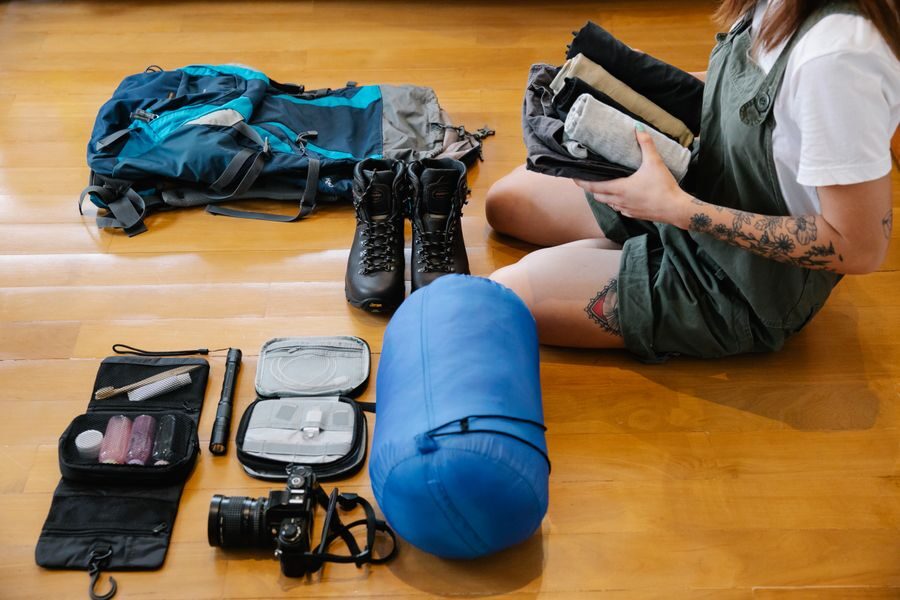
Packed size and weight matter most when you carry the bag on your back. Down bags compress smaller, and a compression sack can shrink either type further, though over compressing synthetic insulation for long periods can reduce its loft.
For backpacking, aim for a bag that fits inside your pack without dominating the space. For car camping and moto camping, packed size matters less than comfort and durability. Riders who need a compact bag that survives vibration and weather can compare camping sleeping bags for moto camping.
Store your bag loosely in a large cotton or mesh sack when you are not using it. Keeping it compressed between trips breaks down insulation over time, especially synthetic fill.
Season Ratings and When Each Bag Works
Season labels are rough shorthand. A three season bag usually handles late spring through early fall in moderate climates, while a summer bag is lighter and suited to warm nights. Winter bags add insulation and a draft collar for freezing conditions.
Think in terms of expected overnight lows rather than calendar seasons. A three season bag that works in July may be too cold for a high elevation trip in October. If you camp across spring, summer, and fall, a versatile three season bag is often the most useful single purchase, and you can compare 3 season sleeping bags by temperature and fill.
For cold but not extreme conditions, a synthetic bag rated around 15°F covers a lot of ground. Shoppers who want that range in a synthetic fill can review 15 degree synthetic sleeping bags for options that balance warmth and damp weather performance.
Common Buying Mistakes to Avoid
Most disappointing sleeping bag purchases come down to a few avoidable errors. Watch for these before you buy.
- Buying only on temperature rating and ignoring comfort versus lower limit.
- Choosing a bag that is too large, which creates cold air pockets.
- Forgetting that your sleeping pad provides insulation from the ground, not the bag alone.
- Assuming a bag is waterproof when it is only water resistant.
- Storing the bag compressed, which shortens insulation life.
- Ignoring the hood and draft collar, which are major warmth features.
A sleeping pad with a suitable R value matters as much as the bag. Ground pulls heat away from your body, and no bag can compensate for a pad that does not insulate.
Who Can Skip a Sleeping Bag
Not every camper needs a traditional bag. If you sleep in a heated cabin, a van with a built in bed, or a hammock with a top quilt and underquilt, a bag may be redundant.
Warm weather campers who sleep hot can often use a quilt or a liner instead. Ultralight backpackers may prefer a quilt to save weight. If you already own a bag that fits your conditions, there is no need to replace it just because a new model exists.
If you are shopping on a tighter budget, focus on fit and temperature range rather than features you will not use. You can compare budget sleeping bags and affordable backpacking sleeping bags to see where the trade-offs land.
Safety and Care Basics
Sleeping bags are not life support equipment, but they do affect your safety in cold conditions. Hypothermia can set in when you are wet, tired, and under insulated, so pair your bag with a dry base layer and a pad that blocks ground cold.
Never use a sleeping bag inside a tent with an open flame or a fuel burning heater. Carbon monoxide and fire risk are real in enclosed spaces, and bag shells can melt or ignite quickly.
Wash your bag according to the maker's instructions, usually with a gentle detergent and a front loading machine, then dry it thoroughly. Rules for campfires, campsites, and public land vary, so check with the land manager before your trip.
Frequently Asked Questions
What temperature rating should I choose for a sleeping bag?
Start with the coldest overnight low you expect, then choose a bag whose comfort rating sits about 10°F below that number. If you sleep cold, add more margin. Remember that the lower limit on a label is a survival threshold, not a comfort promise.
Is down or synthetic insulation better?
Down is warmer for its weight and packs smaller but loses loft when wet. Synthetic insulation keeps more warmth in damp conditions and costs less but is heavier and bulkier. Choose based on your climate and how much weight you carry.
Do I need a mummy bag or a rectangular bag?
Mummy bags are warmer for their weight and suit backpackers. Rectangular bags offer more room and work well for car camping. Side sleepers often prefer wider cuts or quilts.
Can I use a sleeping bag without a sleeping pad?
You can, but you will likely sleep cold. A pad insulates you from the ground, and its R value matters as much as the bag's rating in cool conditions.
How should I store my sleeping bag?
Store it loosely in a large breathable sack rather than compressed. Long term compression breaks down insulation and reduces loft over time.
How do I wash a sleeping bag?
Follow the maker's instructions, typically a gentle detergent in a front loading machine, then dry thoroughly on low heat. Avoid top loaders with agitators, which can tear baffles and shell fabric.
Final Thoughts
Choosing a sleeping bag comes down to matching temperature rating, insulation type, shape, and size to the trips you actually take. Buy for the coldest conditions you realistically expect, then add margin if you sleep cold.
Fit and your sleeping pad matter as much as the label. Get those right, store the bag loosely, and it will serve you for many seasons.