


The essential bike tools for home maintenance are a set of hex keys, a chain breaker, a cassette tool, a bottom bracket tool, tire levers, a pump with a gauge, and a chain cleaner, plus a multi-tool for on-road fixes. You do not need a full shop wall to keep a bike running well, but you do need the right few tools matched to your bike's actual parts.
We based this guide on manufacturer specifications, published gear standards, and common trail practice. It covers what each tool does, who needs it, and where to compare specific kits.
The Main Types of Home Bike Tools and Who Each Suits
Home bike tools fall into three rough groups: fasteners and adjustment tools, drivetrain tools, and cleaning and lubrication supplies. Most riders start with the first group, add the second when they begin replacing parts, and pick up the third from the first ride. The goal is not to own everything, but to own what your bike actually uses.
Fasteners and Adjustment Tools
Hex keys (also called Allen keys) handle stem bolts, seat posts, brake levers, and most accessory mounts. A torque wrench helps you avoid crushing carbon bars or stripping small bolts. Screwdrivers and a spoke wrench round out the basic adjustment set.
Drivetrain Tools
A chain breaker pushes a pin out of the chain. A cassette tool removes the rear gear cluster, and a bottom bracket tool removes the bearing unit in the frame. These three unlock most serious drivetrain work, but each must match your bike's specific standard.
Cleaning and Lubrication
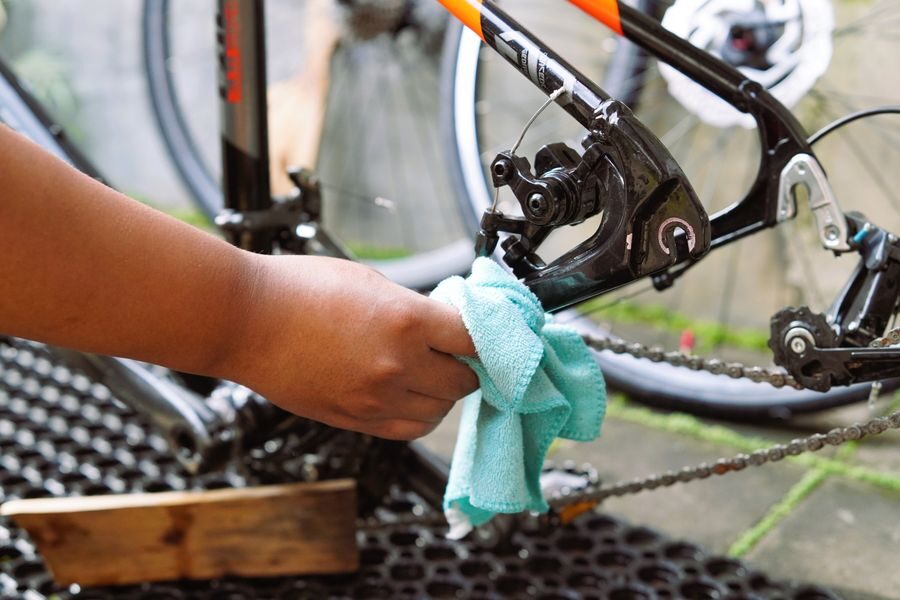
A chain cleaner, degreaser, brushes, and chain lube keep the drivetrain quiet and long lasting. These are low cost relative to the damage that grit causes, and they are the tools most casual riders use most often.
| Tool group | Typical jobs | Who it suits |
|---|---|---|
| Hex keys and torque wrench | Adjusting cockpit, seat, brakes | Every rider |
| Chain breaker and cassette tool | Replacing chain, cassette, gears | Riders who do their own drivetrain work |
| Bottom bracket tool | Servicing crank bearings | Home mechanics with the correct frame standard |
| Chain cleaner and lube | Cleaning and protecting the drivetrain | Every rider, especially in wet or dusty conditions |
Key Features That Matter When Choosing Bike Tools
The single most important feature is fit. A tool that does not match your bike's bolt size, chain type, or bottom bracket standard is useless, no matter how well it is made. Check your bike's specs before buying anything.
Material and finish matter next. Hardened steel bits resist rounding off, and a comfortable handle reduces the chance of slipping and scraping a frame. For hex keys, look for a clear size marking on each key so you do not guess mid-repair.
- Correct size and standard for your bike
- Hardened steel tips that resist rounding
- Comfortable grip for leverage
- Clear size markings
- A case or organizer so small parts do not vanish
For portable tools, weight and packability matter more than shop-level strength. If you ride far from home, compare bike multi tools for bikepacking to see how much capability riders are willing to carry.
How to Match Tools to Your Bike and Your Space
Start with your bike, not a catalog. Note the number of gears, the brake type, the bottom bracket style, and whether any parts are carbon. Carbon parts in particular call for a torque wrench, because overtightening can crack them.
Then look at your workspace. A small apartment may only allow a compact kit and a folding stand, while a garage can hold a full set. Storage matters because lost tools cause rounded bolts and skipped maintenance.
- List your bike's drivetrain, brake, and bottom bracket standards
- Decide which jobs you will actually do yourself
- Choose a kit size that fits your storage
- Add cleaning supplies separately, since kits rarely include them
- Keep a small on-bike tool separate from your home set
If you already know you want to remove a cassette, compare bike tool kits with cassette tool before buying a general kit. The same logic applies if bottom bracket service is your goal.
Setup and Use Considerations
Read the instructions for each tool before the first use. Chain breakers, cassette tools, and bottom bracket tools all have a correct direction and a correct amount of force, and using them wrong can damage parts.
Work on a stable surface or in a repair stand, and keep small parts in a tray. When a bolt feels tight, stop and check the torque spec rather than forcing it. A torque wrench is the tool that prevents the most expensive mistakes.
Safety extends beyond the workbench. Wear a helmet on every ride and replace it after any crash, even if it looks fine. Use lights and bright clothing in traffic, and remember that e-bike rules vary by state and by trail, so check local rules before you ride.
For chain care, a dedicated cleaner saves time and mess. Compare bike chain cleaner tools if you want to make drivetrain cleaning a routine rather than a chore.
Common Buying Mistakes to Avoid
The most common mistake is buying a large kit before checking compatibility. A kit full of tools for the wrong bottom bracket or chain type is a drawer of wasted metal.
The second mistake is skipping cleaning supplies. Riders often buy drivetrain tools but no degreaser or lube, then wonder why the new chain wears out quickly. Cleaning and lubrication are part of maintenance, not extras.
- Buying tools that do not match your bike's standards
- Skipping a torque wrench on carbon or small bolts
- Choosing a kit too large for your storage
- Forgetting cleaning and lubrication supplies
- Relying on a worn multi-tool for home repairs
A third mistake is buying only a portable multi-tool for home use. Portable tools are designed to get you home, not to be comfortable for repeated shop work. If you want a compact option for the road, compare bike multi tools separately from your home set.
Who Does Not Need a Full Set
If you ride casually, keep your bike indoors, and take it to a shop for anything beyond a flat tire, you can skip cassette and bottom bracket tools. A hex key set, tire levers, a pump, and chain lube cover most of what you will face.
If you ride a single-speed or internally geared bike, you may never need a cassette tool. If you never remove your cranks, you can skip the bottom bracket tool until the bearings need service.
Riders who only commute short distances in dry weather may also skip a full cleaning station. A brush, a rag, and a bottle of lube are often enough. The point is to match the kit to the work you actually do.
Where to Compare Kits by Need
Once you know which jobs you will handle, the next step is comparing kits built around those jobs. A kit centered on one tool often includes the supporting tools you would otherwise buy separately.
- If cassette removal is your priority, see bike tool kits with cassette tool.
- If bottom bracket service is your goal, see bike tool kits with bottom bracket tool.
- If you want the most basic fastener set, see bike tool kits with hex keys.
- If you ride far from home, see bike multi tools with chain breaker.
- If you want to keep the drivetrain clean, see bike maintenance sprays.
Read each roundup with your own bike's specs in hand. The right kit is the one whose included tools match the parts you actually own.
Frequently Asked Questions
What are the essential bike tools for home maintenance?
At minimum, hex keys, tire levers, a pump with a gauge, a chain breaker, chain lube, and a cleaning brush. Add a cassette tool and bottom bracket tool if you plan to service the drivetrain yourself.
Do I need a torque wrench for a bike?
It is strongly recommended if your bike has carbon parts or small bolts. Overtightening can crack carbon and strip threads, and a torque wrench removes the guesswork.
Can I use a multi-tool for home repairs?
You can, but a portable multi-tool is designed for roadside fixes. For repeated home work, full-size tools are more comfortable and less likely to round off bolts.
How often should I clean my bike chain?
Clean and lubricate based on conditions. Wet, muddy, or dusty rides call for more frequent attention than dry pavement riding. A clean chain shifts better and lasts longer.
Do I need a bottom bracket tool?
Only if you plan to service or replace your crank bearings. Many riders never touch this part and can rely on a shop instead.
Are e-bike tools different?
Some e-bike motors and batteries require specific tools and procedures, and e-bike rules vary by state and trail. Check your owner's manual and local rules before working on an e-bike.
Final Thoughts
The essential bike tools for home maintenance are the ones that match your bike and the jobs you are willing to do. Start with fasteners, tire care, and cleaning, then add drivetrain tools as your skills and needs grow.
Buy for fit and function rather than volume, keep a small tool on the bike separate from your home set, and remember that helmet use, visibility, and local e-bike rules matter as much as any wrench.