

To choose a camping stove, match the fuel type, burner count, and packed size to how you actually cook outdoors, then confirm the stove fits your vehicle space, group size, and fire restrictions. The right pick is the one you will use often, not the one with the longest feature list.
This guide explains the main stove types, the features that matter, and the mistakes that lead to cold dinners or wasted fuel. We based this guide on manufacturer specifications, published gear standards, and common trail practice.
The Main Stove Types and Who Each One Suits
Camping stoves fall into a few broad families, and each family solves a different problem. Understanding those trade-offs is the fastest way to narrow your search before you compare specific models.
Canister Stoves
Canister stoves run on pressurized gas canisters and screw or clip onto the stove body. They light quickly, simmer well on many models, and pack small, which suits backpackers and solo campers who boil water and cook simple meals. Cold weather reduces canister pressure, so these stoves can struggle below freezing unless the canister is kept warm or the stove uses a inverted canister design.
Liquid Fuel Stoves
Liquid fuel stoves burn white gas, kerosene, or similar fuels from a separate bottle. They perform better in cold temperatures and at high altitude, and one fuel bottle can last many days. They need priming, occasional maintenance, and more careful handling, so they suit cold-weather campers, long expeditions, and international travelers who cannot rely on canister availability.
Alcohol Stoves
Alcohol stoves are simple, quiet, and light, and they burn denatured alcohol or similar fuel. They are slow to boil and sensitive to wind, so they suit ultralight backpackers who value simplicity and low weight over speed. They are a poor fit for group cooking or cold, windy conditions.
Wood and Multi-fuel Stoves
Wood-burning stoves use twigs and small sticks, which means no fuel to carry, but they need dry wood and produce smoke and ash. Multi-fuel stoves can run on several fuel types, which adds flexibility at the cost of weight and complexity. Both are worth considering only if the trade-offs match your trips.
Two-burner and Tabletop Propane Stoves
Two-burner propane stoves and larger tabletop models are built for car camping, basecamps, and group meals. They offer stable pots, wider flame control, and the ability to cook two dishes at once. They are heavy and bulky, so they suit campers who drive to the site and set up a full camp kitchen. If that describes your trips, our roundup of 2 burner camping stoves is a natural next step.
Key Features That Actually Matter
Once you know the type, compare the features that affect daily use. The goal is to match the stove to your cooking style, not to collect the longest spec sheet.
Burner Output and Control
Higher burner output boils water faster, but it also burns more fuel and can scorch food if the stove lacks low-flame control. Look for a stove with a wide range between low and high settings if you cook real meals rather than only boiling water.
Wind Protection
Wind steals heat and can blow out a flame, especially on canister and alcohol stoves. Integrated windscreens, recessed burners, and pot supports that block gusts make a noticeable difference in exposed campsites. Some stoves include a windscreen, while others require you to add one.
Stability and Pot Support
A wide base and sturdy pot supports matter when you use larger pots or a heavy skillet. Lightweight canister stoves can feel tippy with a full pot, while two-burner stoves and tabletop models are far more stable. If you often cook for several people, stability should rank high on your list.
Ignition and Fuel Compatibility
Push-button igniters add convenience, but they can fail, so carry a lighter or matches as backup. Fuel compatibility matters too: confirm which canisters or liquid fuels the stove accepts, and check that those fuels are easy to find where you camp.
Weight and Packed Size
Weight and packed size decide whether a stove comes on every trip or stays in the garage. Backpackers count ounces, while car campers can accept pounds in exchange for cooking capacity. Be honest about which campers you are.
| Feature | Why It Matters | Who Should Prioritize It |
|---|---|---|
| Burner output | Boil time and fuel use | Campers who boil water often |
| Low-flame control | Simmering and avoiding scorched food | Campers who cook real meals |
| Wind protection | Reliable flame in exposed sites | Coastal, ridge, and desert campers |
| Stability | Safe use with large pots and skillets | Group and family campers |
| Weight and packed size | Whether the stove comes along | Backpackers and paddlers |
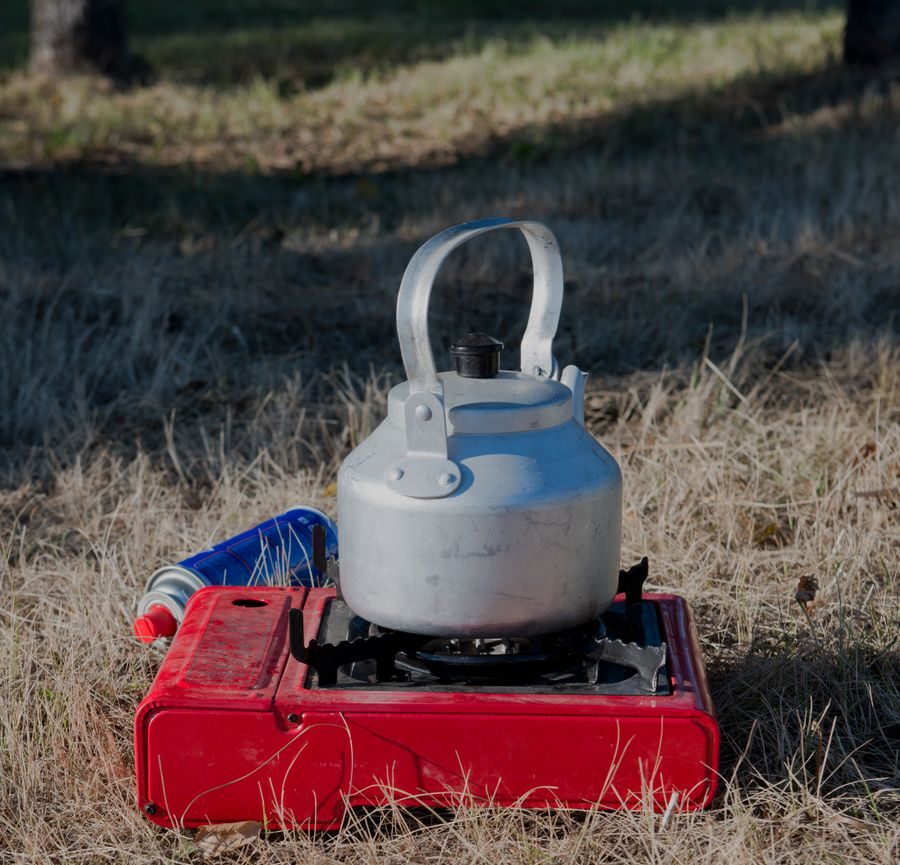
How to Match a Stove to Your Group and Space
Sizing a stove is about people, meals, and space. A solo backpacker and a family of five have very different needs, and the same stove rarely serves both well.
Group Size
One or two people usually do fine with a single burner, especially if meals are simple. Three or more people often benefit from two burners or a second stove, because cooking one dish at a time stretches dinner into a long event. If you regularly cook for a group, a two-burner stove or a tabletop model will save time and frustration.
Vehicle Space and Camp Setup
Car campers can bring a larger stove, a folding table, and full-size cookware. Backpackers and bikepackers need a stove that fits inside a pot or a small stuff sack. Measure your available space before you buy, and think about whether the stove needs a separate fuel bottle or canister.
Cooking Style
If you mostly boil water for dehydrated meals, a lightweight canister stove is enough. If you simmer sauces, fry eggs, or grill, you need better flame control and a more stable platform. If you want to grill over a fire or coals, a portable grill may be a better fit than a stove, and our roundup of portable camping grills covers that option.
Trip Length and Fuel Planning
Short trips need little fuel, while long trips reward stoves that use widely available fuel. Canister stoves are convenient for weekends, and liquid fuel stoves make sense for multi-day trips where you want to carry one fuel source. Always carry a little more fuel than you think you need, and check local rules before you travel.
Setup, Safety, and Fuel Handling
A stove is only as safe as its setup. Read the manufacturer manual before the first use, and follow it every time you cook.
Carbon Monoxide and Ventilation
Fuel-burning stoves produce carbon monoxide, an odorless gas that can be deadly. Never run a fuel-burning stove inside a closed tent, vehicle, or other enclosed space. Cook outside or in a well-ventilated area, and keep the stove away from flammable materials.
Fire Restrictions and Local Rules
Fire restrictions vary by area and can change with conditions, so check with local land managers before your trip. Some areas allow only stoves with an on/off valve, while others ban open fires entirely. Rules vary, so confirm what applies where you are going.
Fuel Storage and Handling
Store fuel canisters and bottles upright, away from heat and direct sun, and never refill a canister that is not designed for refilling. Check connections for leaks before lighting, and never leave a lit stove unattended. If you smell gas, turn off the fuel and move the stove away from ignition sources.
Setup Checklist
- Read the manual and confirm the stove is assembled correctly.
- Place the stove on a level, stable, nonflammable surface.
- Check fuel connections and look for leaks before lighting.
- Light the stove away from your body and keep hair and clothing clear.
- Turn off the fuel and let the stove cool before packing it away.
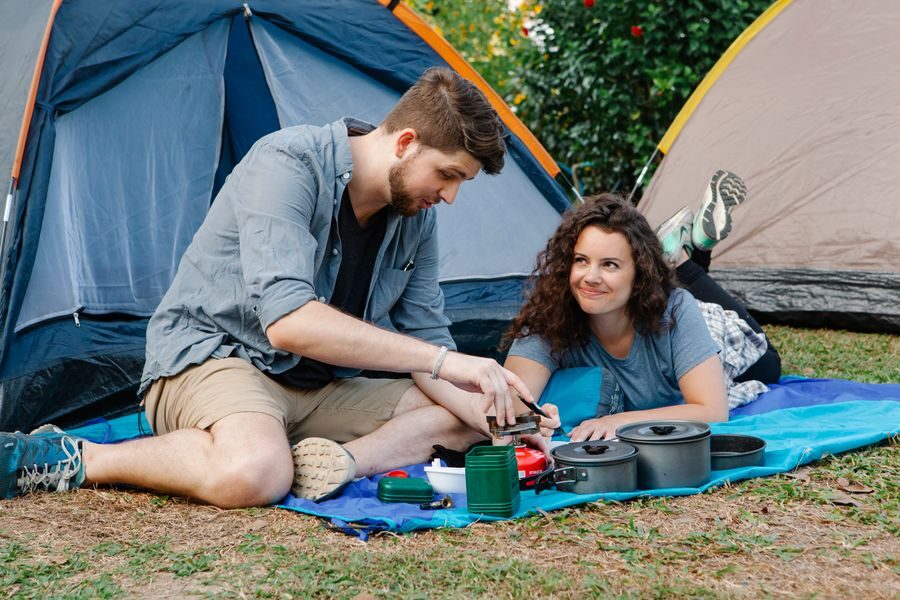
Common Buying Mistakes to Avoid
Most stove regrets come from buying for an imagined trip rather than the trips you actually take. Here are the mistakes we see most often.
- Buying a tiny backpacking stove for car camping, then struggling with large pots and group meals.
- Buying a heavy two-burner stove for backpacking, then leaving it at home because it is too bulky.
- Ignoring wind protection and fighting a weak flame on every exposed campsite.
- Choosing a stove without checking which fuel is easy to find near your camping areas.
- Skipping the manual and guessing at priming, fuel type, or maintenance steps.
- Forgetting that carbon monoxide is a risk and using a stove in an enclosed space.
A related mistake is buying a stove without thinking about the rest of the camp kitchen. Coffee, food storage, and coolers all affect how you cook and what you carry, and a stove that fits that system will get used far more often.
Who Does Not Need a Camping Stove
Not every camper needs a stove. If you camp where campfires are allowed and you are comfortable cooking over coals, a grill grate or a portable grill may cover your needs. If you mostly eat cold food, a stove adds weight and fuel you will not use.
Campers who stay at sites with electric hookups sometimes prefer an electric kettle or a small electric burner, which avoids fuel entirely. And backpackers on very short trips sometimes carry no stove at all, relying on no-cook meals. Skipping a stove is a valid choice if your meals and your campsites support it.
Roundups by Need
Once you know your type, size, and fuel, the next step is comparing specific models. These roundups group gear by the need it solves, so you can jump to the category that matches your trips.
- For car camping and group meals: 2 burner camping stoves.
- For canister and compact gas stoves: camping gas stoves.
- For grilling over coals or a fire: portable camping grills.
- For morning coffee at camp: camping coffee makers and coffee mugs for camping.
- For keeping food fresh and organized: camping coolers for ice retention and camping food storage containers.
- For hot water at camp: camping showers with heater.
If you are still unsure, start with the fuel type you can find locally and the burner count your group needs. That narrows the field quickly, and the roundups above let you compare the remaining options.
Frequently Asked Questions
What is the best fuel type for a camping stove?
There is no single best fuel. Canister gas is convenient and clean for most three-season camping, liquid fuel performs better in cold and at altitude, and alcohol is light and simple but slow. Choose based on the temperatures you camp in, the fuel available near your sites, and how much weight you can carry.
How many burners do I need?
One burner is enough for one or two people cooking simple meals. Two burners help when you cook for a group or want to prepare two dishes at once. More burners add weight and bulk, so match the count to your group size and cooking style.
Can I use a camping stove inside a tent?
No. Fuel-burning stoves produce carbon monoxide, which can be deadly in enclosed spaces. Always cook outside or in a well-ventilated area, and follow the manufacturer manual for safe use.
How do I know which fuel is allowed where I camp?
Fire restrictions vary by area and change with conditions. Check with local land managers before your trip to confirm which stoves and fuels are allowed, and follow any posted rules.
Do I need a windscreen for my stove?
A windscreen helps in exposed campsites by shielding the flame from gusts. Some stoves include one, and others accept an add-on screen. If you often camp on ridges, coasts, or open desert, wind protection is worth prioritizing.
How much fuel should I bring?
Fuel use depends on burner output, cooking time, and weather, so exact amounts vary. As a general practice, carry more fuel than you expect to use and check the manufacturer guidance for your stove. For long trips, choose a stove that uses fuel you can resupply locally.
Final Thoughts
Choosing a camping stove comes down to matching fuel type, burner count, and packed size to the trips you actually take. A stove that fits your group, your vehicle space, and your cooking style will earn a place in your camp kitchen for years.
Start with the fuel you can find and the number of burners your meals require, then compare models in the roundups above. Read the manual, cook outside, and check local fire rules before every trip.