


To choose a bike helmet, start with a certified model that fits your head shape and riding style, then balance ventilation, weight, and coverage for the conditions you actually ride in. A helmet only protects you when it sits level, stays put, and gets replaced after any crash.
We based this guide on manufacturer specifications, published gear standards, and common trail practice. It walks through the main helmet types, the features that matter, sizing and fit checks, and the mistakes that lead to a bad purchase.
The Main Helmet Types and Who Each One Suits
Bike helmets are not one product. They split into broad families based on where and how you ride, and each family trades off weight, airflow, coverage, and cost in different ways. Picking the right family first makes every later decision easier.
Road and Commuter Helmets
These are the lightest and most ventilated designs, shaped for riders who spend most of their time on pavement. They suit commuters, road cyclists, and anyone who wants maximum airflow on warm days. Riders who frequently leave pavement may want more rear coverage.
Mountain and Trail Helmets
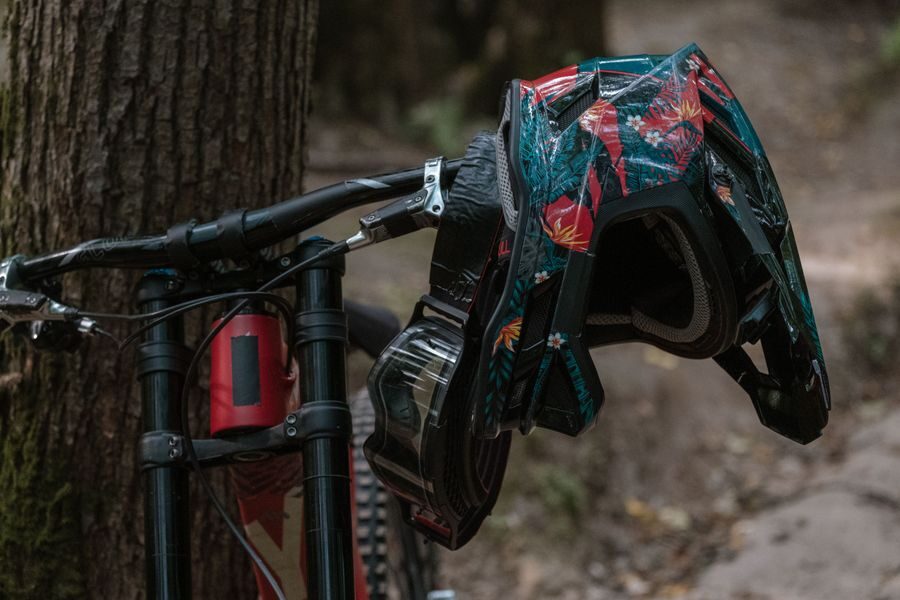
Trail helmets extend lower at the back of the head, often include a visor, and hold up to branches and low-speed tumbles. They suit mountain bikers and anyone riding technical singletrack. The extra coverage adds a little weight and warmth, which matters less in shade and dirt than on open road.
Gravel and All-Road Helmets
Gravel helmets sit between road and trail models: decent ventilation, a bit more coverage, and shapes that work with sunglasses. They suit riders who mix pavement, dirt roads, and light trails on the same ride. If that describes your riding, our roundup of gravel riding helmets is a good next stop.
E-Bike and Speed-Oriented Helmets
E-bike riders often spend more time at higher average speeds and in traffic, so many choose helmets with more coverage and, in some cases, models built to a higher impact standard. Our guides to helmets for e-bike riders and helmets for e-bikes cover those trade-offs in detail. Note that e-bike rules vary by state and by trail, so check local requirements before you ride.
Kids Helmets
Children need the same certification as adults but in smaller shells, with simpler buckles and more adjustability as they grow. A helmet that fits a toddler will not fit the same child two seasons later. Our kids bike helmets roundup focuses on fit and growth range.
Certification and Safety Basics You Should Not Skip
In the United States, bicycle helmets sold for on-road use must meet the CPSC safety standard. That label is the baseline, not a bonus feature. A helmet without it is not a bike helmet, no matter how it looks.
Some helmets also carry additional certifications, such as standards for higher-speed impacts or for specific sports. Those can matter for e-bike riders and downhill riders, but they do not replace the CPSC label.
Replace After a Crash
A helmet is designed to absorb one significant impact. After a crash that strikes the helmet, replace it even if the shell looks fine, because the foam may already be compressed. The same applies to a helmet dropped hard onto pavement or stored for years in a hot car.
Visibility in Traffic
Helmet color and added reflectivity help drivers see you, especially at dawn, dusk, and in rain. Bright shells and reflective straps are simple upgrades that cost little in weight. Lights on the helmet or bike matter more than shell color once it is truly dark.
No helmet makes you invulnerable. Ride predictably, use lights, and treat helmet choice as one part of a broader safety approach.
Key Features That Actually Matter
Once you know your riding type, the feature list narrows quickly. Focus on the items below rather than on marketing language.
| Feature | What It Does | Who Should Prioritize It |
|---|---|---|
| Ventilation | Moves air over the head to manage heat | Riders in hot, humid, or long-ride conditions |
| Weight | Reduces neck strain on long rides | Road riders and anyone riding several hours |
| Rear coverage | Protects the lower back of the skull | Trail, e-bike, and urban riders |
| MIPS or similar liner | Adds a low-friction layer to reduce rotational forces | Riders who want an extra layer of protection |
| Adjustable retention | Fine-tunes fit around the head | Almost everyone, especially growing kids |
| Visor | Blocks sun, rain, and low branches | Trail and commuter riders |
| Reflective details | Improves low-light visibility | Commuters and dawn or dusk riders |
Ventilation and Heat
More vents generally mean more airflow, but vent count alone does not tell the whole story. Internal channeling and how the helmet sits on your head matter just as much. If you ride in serious heat, our hot weather bike helmets roundup digs into those designs.
Weight and Comfort
Lighter helmets feel better on long rides, but the difference between a mid-weight and a very light helmet is often smaller than the difference a good fit makes. Do not trade fit for a weight spec.
Rotational Impact Liners
Many helmets now include a low-friction liner designed to reduce rotational forces during angled impacts. These systems add little weight and are widely available. They are a reasonable choice for riders who want more protection without changing anything else.
How to Size and Fit a Helmet Correctly
Fit matters more than any feature on the box. A well-fitting basic helmet protects better than a loose premium one. Plan to spend a few minutes adjusting before your first ride.
Measure Your Head
- Wrap a soft tape measure around your head about an inch above your eyebrows.
- Note the circumference in inches or centimeters and compare it with the manufacturer size chart.
- If you fall between sizes, try both, because shell shapes differ between models.
- Bring or note your measurement when shopping, since sizes are not consistent across brands.
The Fit Checks
- The helmet sits level, roughly an inch or two above the eyebrows, not tilted back.
- The retention dial snugges the helmet so it stays put when you shake your head.
- The side straps form a V just below each ear.
- The chin strap allows about one finger of space under the chin.
- The helmet does not rock forward, backward, or side to side when you push on it.
Head Shape and Hair
Head shape varies, and some helmets suit rounder heads while others suit longer or wider ones. Riders with thicker hair or protective styles often need a deeper shell or a retention system with more range, which is why we keep a roundup of helmets for big hair. Riders who find most helmets too tight at the temples may want to compare Asian fit bike helmets.
Glasses and Eyewear
If you ride in glasses or sunglasses, check that the helmet temples do not press the frames into your head and that the retention system leaves room behind the ears. Our helmets for glasses wearers roundup covers those fit points.
Setup, Storage, and Care
A new helmet needs a few minutes of adjustment before the first ride. Set the retention system, route the straps, and check the chin strap tension while wearing the helmet you plan to ride in.
Adjusting the Straps
Most helmets use a splitter near the ear that slides up and down. Move it so the straps meet just below the earlobe, then tighten the chin strap until it is snug but not uncomfortable. Recheck after a few rides, since straps can shift.
Storage and Heat
Heat and sunlight degrade helmet foam and shell materials over time. Store your helmet out of direct sun and away from hot cars when you can. A helmet that has spent years in a hot trunk may need replacing even without a crash.
Cleaning
Most pads are removable and can be hand washed with mild soap and water. Avoid harsh solvents, which can damage foam and adhesives. Let the helmet air dry fully before storing it.
When to Replace
- After any crash that strikes the helmet.
- If the shell is cracked, the foam is compressed, or the straps are frayed.
- If the retention system no longer holds adjustment.
- If the helmet no longer fits because of hair, head shape, or growth changes.
Common Buying Mistakes to Avoid
Most bad helmet purchases come down to a few predictable errors. Avoiding them saves money and improves safety.
- Buying for looks first and fit second. A helmet that does not fit will not protect you well.
- Choosing a size by age or by another rider's helmet. Head circumference is the only reliable starting point.
- Ignoring the retention system. A dial or cradle that does not adjust enough will leave the helmet loose.
- Skipping the certification label. If it is not there, it is not a bike helmet.
- Keeping a crashed helmet because it looks fine. Foam damage is often invisible.
- Assuming one helmet covers every use. A road helmet and a trail helmet solve different problems.
Fit Over Features
It is easy to get pulled toward the longest feature list. In practice, a simple helmet that fits well and stays put will serve most riders better than a feature-heavy one that never quite sits right.
Match the Helmet to the Ride
A commuter who rides a few flat miles does not need the same helmet as a downhill rider or an e-bike commuter in traffic. Buy for the riding you actually do, not the riding you imagine.
Who Can Skip an Upgrade
Not every rider needs a new helmet right now. If your current helmet fits well, is certified, has no crash damage, and matches your riding, there is no reason to replace it.
Riders who only take short, low-speed trips on protected paths may find that a basic certified helmet covers their needs. The same goes for riders who already own a helmet that fits and has been stored properly.
Upgrades make the most sense when your riding has changed: you started commuting in traffic, you added an e-bike, you ride in hotter conditions, or your current helmet no longer fits. In those cases, the right upgrade is usually about fit and coverage, not about spending more.
Where to Start by Riding Need
If you already know your riding type, use the list below to jump to the roundup that matches your situation. Each one focuses on the fit and feature trade-offs that matter most for that group.
- Riding dirt roads and mixed surfaces: gravel riding helmets.
- Riding an e-bike in traffic or at higher speeds: helmets for e-bike riders and helmets for e-bikes.
- Riding in heat and humidity: hot weather bike helmets.
- Shopping for a child: kids bike helmets.
- Dealing with thick hair or a protective style: helmets for big hair.
- Wearing glasses or sunglasses on every ride: helmets for glasses wearers.
- Finding a shell that fits your head shape: Asian fit bike helmets.
Use these as starting points, then confirm fit with your own head measurement. A roundup can narrow the field, but only a proper fit check confirms the right helmet for you.
Frequently Asked Questions
How do I know what size bike helmet to buy?
Measure the circumference of your head about an inch above your eyebrows, then compare that number with the manufacturer size chart. If you fall between sizes, try both, because shell shapes vary between models.
Do I need a different helmet for an e-bike?
Not always, but many e-bike riders choose helmets with more rear coverage and, in some cases, models built to a higher impact standard. E-bike rules vary by state and by trail, so check local requirements before you ride.
How often should a bike helmet be replaced?
Replace it after any crash that strikes the helmet, and also if the shell is cracked, the foam is compressed, or the straps and retention system are damaged. Heat and long-term sun exposure can also degrade materials over time.
Is a more expensive helmet safer?
Not automatically. Certification is the baseline, and fit matters more than price for real-world protection. Extra cost usually goes toward weight, ventilation, and features rather than a guarantee of better protection.
Can I wear a bike helmet with glasses or thick hair?
Yes, but fit details matter. Look for a retention system with enough range and check that the temples do not press into your head. Riders with thick hair or protective styles often need a deeper shell or more adjustment range.
What should I check before buying a helmet online?
Confirm the CPSC certification label, compare your head measurement with the size chart, and read the return policy in case the fit is wrong. If possible, try the same model in a store first.
Final Thoughts
Choosing a bike helmet comes down to three things: a certified model, a correct fit, and features that match your riding. Get those right and most of the marketing noise falls away.
Replace your helmet after a crash, keep it out of prolonged heat, and check your local rules if you ride an e-bike. A helmet is one part of riding safely, but it is the part you can control before you leave the driveway.